In today's hectic world, entrepreneurship is more than simply a buzzword; it's a vital ability that can move individuals to success in different fields. As we dig deeper into the concept of examining entrepreneurial skills, the significance of outcome-based evaluations ends up being noticeably clear. These assessments not only offer valuable insights into a person's capabilities however likewise form the future landscape of entrepreneurship education and practice.
Why Excellent Entrepreneurs Frequently Originate From Great Classrooms: The Effect of Effective Entrepreneurship Education
Entrepreneurship education isn't simply about teaching students to start companies; it's about cultivating an entrepreneurial mindset that encourages imagination, crucial thinking, and strength. Efficient entrepreneurship education gears up learners with vital abilities-- abilities that enable them to browse the complexity of introducing ventures in uncertain environments.
The Role of Curriculum in Shaping Entrepreneurial Mindsets
A well-structured curriculum concentrates on both theoretical understanding and practical application. It includes real-world case studies, interactive learning experiences, and partnership opportunities amongst peers. This hybrid method cultivates an environment where students feel empowered to take risks and innovate.
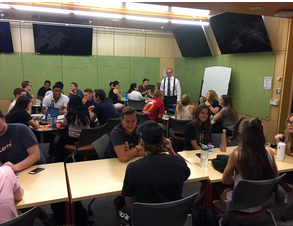
Key Elements of Effective Curriculum:
Experiential Learning: Engaging students in projects that simulate real-life challenges. Mentorship Programs: Connecting students with knowledgeable entrepreneurs who can share insights and guidance. Collaborative Projects: Motivating teamwork promotes communication and analytical abilities.Measuring the Impact of Entrepreneurship Education
To examine the effectiveness of entrepreneurship education, numerous metrics can be employed:
- Student Engagement: Are students actively participating in discussions and activities? Skill Development: Are students acquiring appropriate entrepreneurial skills? Post-Education Outcomes: What portion of graduates successfully launch endeavors or discover employment in innovative roles?
Proven Pedagogies: What Research Says About Teaching the Entrepreneurial State Of Mind and Skillset
Research suggests that certain pedagogical methods yield better results when teaching entrepreneurship. By analyzing these proven methodologies, educators can fine-tune their strategies to foster a more impactful learning experience.
Active Knowing Strategies
Active learning includes interesting students directly while doing so instead of passively getting details. Methods such as role-playing, simulations, and seminar can significantly enhance understanding and retention.
Benefits of Active Knowing:
- Increased retention rates. Enhanced critical believing skills. Greater confidence in applying understanding to real-world scenarios.
Integrating Technology into Entrepreneurship Education
With innovation being a driving force behind development, integrating it into entrepreneurship education is vital. Online platforms for partnership, virtual reality simulations for organization situations, and information analytics tools for marketing research are just a couple of examples.
Beyond the Lecture: How Experiential Learning, Mentorship, and Startup Labs Drive Real Outcomes
Experiential knowing is where theory meets practice-- a fundamental aspect of effective entrepreneurship education. By immersing trainees in hands-on experiences, they gain insights that lectures alone can not provide.
Startup Labs as Innovation Hubs
Startup laboratories act as incubators for budding entrepreneurs. These areas provide resources like funding opportunities, mentorship programs, and networking events important for releasing successful startups.
Elements That Make Startup Labs Effective:
Access to Resources: Funding chances for promising ideas. Mentorship Networks: Linking amateur entrepreneurs with market veterans. Collaborative Environments: Encouraging concept sharing among peers cultivates creativity.The Power of Mentorship
Mentorship plays an essential function in entrepreneurial advancement. Skilled mentors can guide less-experienced people through difficulties while providing vital insights based upon their journeys.
Teaching Development with Intent: Success Stories from Classrooms That Introduce Genuine Ventures
Successful class have one thing in common-- they prioritize innovation purposefully within their curricula. By concentrating on cultivating innovative thinkers from the first day, these instructional environments produce business owners all set to take on real-world problems.
Case Research study 1: A University's Ingenious Method to Entrepreneurship Education
At XYZ University, professors revamped the entrepreneurship curriculum by integrating interdisciplinary jobs that require collaboration across various fields such as engineering, company management, and style thinking.
Results Achieved:
- Increased trainee start-ups by 40% over two academic years. Higher engagement levels reported by students relating to course material.
Case Research study 2: Neighborhood Colleges Leading Change
Community colleges often serve varied populations; they've adopted tailored entrepreneurship programs focusing on regional requirements-- resulting in significant neighborhood impact through task production and economic growth.
From Knowing to Launch: Assessing Entrepreneurial Preparedness Through Genuine, Outcome-Based Evaluation
Assessing entrepreneurial readiness involves more than standard examinations or quizzes; it requires authentic assessments that reflect real-world scenarios participants may face as entrepreneurs.
Definition of Authentic Assessment
Authentic evaluation assesses students' efficiency based upon tasks looking like real challenges dealt with by specialists in their field-- this includes pitch presentations or organization strategy competitions rather of standard written tests.
Benefits Include:
- Real-time feedback mechanisms help foster constant improvement. Participants establish self-confidence through useful experiences rather than theoretical tests.
Evaluation Metrics for Entrepreneurial Readiness
To efficiently measure readiness among striving entrepreneurs:
Evaluate analytical abilities through case studies. Assess teamwork characteristics during collaborative projects. Use self-assessments together with peer evaluations for a detailed overview. Award-Winning Entrepreneurship Professor TucsonThe Gold Standard in Entrepreneurship Education: Criteria, Finest Practices, and Breakthrough Results
Establishing criteria is necessary for determining success throughout educational institutions concentrated on entrepreneurship training programs-- the objective? To produce a robust structure assisting teachers towards excellence!
Defining Benchmarks for Success
Benchmarks should incorporate qualitative elements like trainee satisfaction alongside quantitative steps such as task positionings post-graduation rates-- this holistic view offers vital insight into program effectiveness!
Examples Include:
- Tracking start-up launch rates within six months post-graduation. Monitoring alumni success stories highlighting profession advancements attributed to their educational background.
Best Practices Throughout Effective Institutions
Institutions standing out at fostering entrepreneurial skills frequently share similar best practices:
Continuous curriculum updates showing market demands. Regular partnerships with local companies ensuring relevance. Alumni networks supporting existing trainees' endeavors through advice or financing opportunities.FAQs
Q1: What are outcome-based assessments? A1: Outcome-based assessments focus on examining trainees' understanding or skill acquisition based on observable results instead of traditional grading approaches like tests or essays.
Q2: Why is experiential learning important? A2: Experiential finding out fosters engaging environments where students use theoretical knowledge virtually-- resulting in more powerful retention rates and better preparedness for real-world challenges!
Q3: How does mentorship impact budding entrepreneurs? A3: Mentors offer invaluable assistance based upon experience-- they assist navigate difficulties while offering support which enhances confidence levels among emerging entrepreneurs!
Q4: What effect do startup laboratories have on trainee success? A4: Startup labs create encouraging communities where aspiring entrepreneurs receive resources including mentorships/funding chances leading eventually toward increased startup launches!
Q5: Can innovation improve entrepreneurship education? A5: ** Definitely! Incorporating tech tools enables dynamic interactions between peers/professors while offering access updated market data necessary for informed decision-making processes!
Q6: How do you determine if somebody is entrepreneurial-ready? A6: ** Determining readiness requires genuine examinations replicating real-life scenarios permitting trainers insight into trainee capabilities beyond simple academic achievements alone!
Conclusion
Evaluating entrepreneurial abilities through outcome-based assessments presents transformative capacity within education systems worldwide! As we move towards an economy increasingly reliant upon innovation-driven solutions-- cultivating capable business owners geared up with important ability will be critical!
By focusing on experiential knowing designs integrated successfully throughout curricula & & making use of standards directing program improvements-- we're setting up future generations not just end up being effective magnate but likewise active contributors positively impacting society overall!